
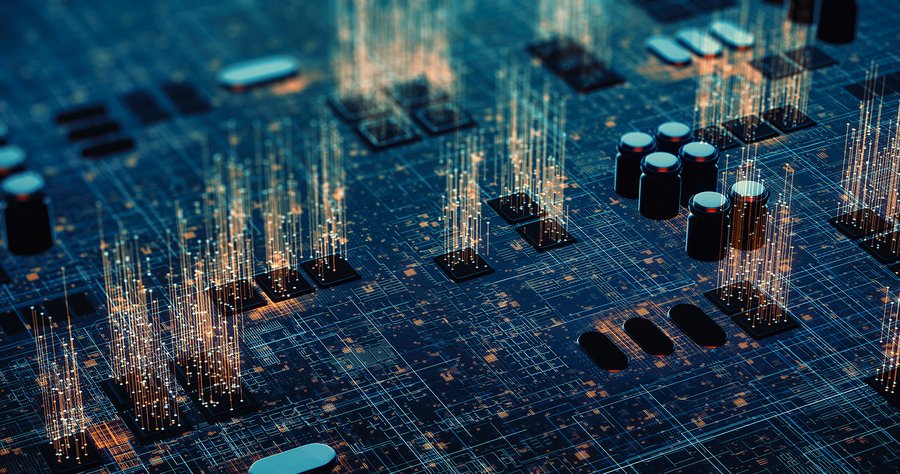
Samsung Eyes Advanced Chip Packaging Expansion
Samsung Electronics is reportedly considering building a new advanced semiconductor packaging facility in Gwangju, South Korea. Advanced packaging has become a critical part of the AI chip supply chain because it allows multiple chips to be integrated into a single package for better performance and efficiency. This is especially important for high-bandwidth memory, which is used alongside AI processors in servers and data center infrastructure. The move also reflects broader industry momentum around AI-driven investment and next-generation semiconductor manufacturing. For technology manufacturers, this is another reminder that packaging capacity can be just as important as wafer production when planning future builds.
Article Credit: Reuters
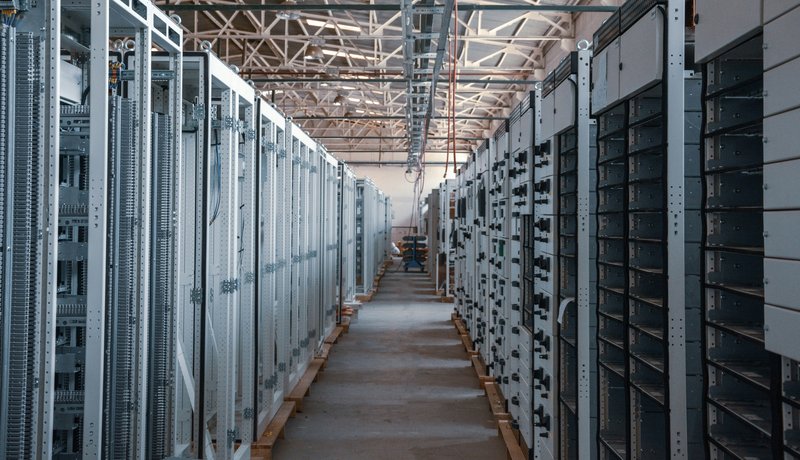
New 800 VDC Power Converters Support AI Data Center Growth
Advanced Energy has introduced new DC-DC converters designed for emerging 800 VDC AI data center power architectures. These converters are built to support high-efficiency, high-density power conversion as server racks become more power-hungry. According to Power Electronics News, the new ADH series converts 800 VDC input power to 50 VDC output and can deliver up to 8 kW of peak power in a compact half-brick package. This type of innovation matters because AI infrastructure is pushing data centers toward higher power density, better efficiency, and improved thermal performance. As AI workloads grow, power components are becoming a major part of the overall system design conversation.
Article Credit: Power Electronics News — Editorial Staff
RISC-V Moves Further Into Data Centers, Edge AI, and Space
RISC-V continues to gain momentum beyond microcontrollers and embedded applications. At the RISC-V Summit Europe 2026, industry leaders emphasized that the open-standard architecture is increasingly targeting data centers, edge AI, and space applications. EE Times reported that the new RISC-V Server Platform Specification 1.0 helps bring standard server features, including UEFI and ACPI support, to RISC-V systems. This could make RISC-V more attractive for organizations looking for more architecture flexibility and less dependence on single-vendor ecosystems. For manufacturers, this trend could create new opportunities in processors, embedded systems, edge devices, and specialized computing platforms.
Article Credit: EE Times
Current Events

G7 Leaders Focus on Critical Minerals and Global Supply Chain Resilience
G7 leaders are meeting in France this week with critical minerals high on the agenda. Reuters reports that the Trump administration’s plan to boost critical mineral production through price supports is facing skepticism from some G7 allies and mixed reactions across the mining industry. The issue is directly relevant to technology manufacturing because minerals such as rare earths, antimony, graphite, and tungsten are used across semiconductors, computer servers, defense systems, and advanced electronics. The debate shows how difficult it is to rebuild mineral supply chains outside of China while keeping costs competitive. For electronics buyers, this reinforces the need to watch material availability and pricing risks before they affect component lead times.
Article Credit: Reuters
Public Concerns Grow Around AI Data Center Expansion
A new Reuters/Ipsos poll shows growing public concern around the rapid buildout of AI-driven data centers in the United States. According to the poll, many Americans are worried that data centers could raise electricity costs, and a majority said they would oppose a data center being built in their community. This matters to the electronics industry because AI infrastructure growth depends not only on chips and servers, but also on power availability, cooling, land use, and local approvals. If data center projects face more community pushback or regulatory delays, demand timing for related components could shift. For technology manufacturers, it is another sign that AI growth is creating pressure far beyond the semiconductor market.
Article Credit: Reuters
Final Takeaway
This week’s updates point to one major theme: AI demand is reshaping the electronic components market from multiple directions. It is influencing advanced packaging, memory, power conversion, processor architecture, critical minerals, and even public infrastructure planning. For B2B technology manufacturers, the best approach is to stay proactive, review vulnerable components early, and prepare for market shifts before they become urgent purchasing challenges.
Abacus Technologies helps customers navigate complex component needs with responsive support, industry knowledge, and access to a wide range of electronic components for today’s fast-moving manufacturing environment.