
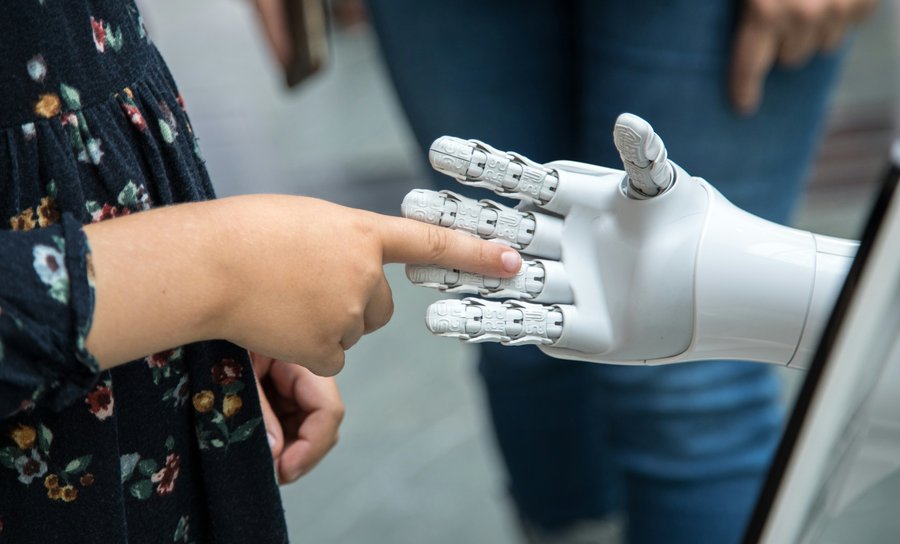
Human-machine interfaces are rapidly transitioning from traditional capacitive touch to sophisticated, multi-modal sensing. Modern applications, especially smart appliances and dexterous humanoid robotics, require advanced tactile feedback that closely mimics human touch.
Previously, incorporating capabilities such as proximity detection, hover, and inductive sensing meant using separate components. This outdated approach increased manufacturing costs, occupied vital circuit board space, and complicated system firmware. Now, engineers are solving these challenges by unifying multiple sensing modalities into a single, low-power device.
Processing hover, proximity, and contact data together allows systems to accurately anticipate user intent. For example, inductive sensing enables responsive touch controls on unbroken metal surfaces, enhancing durability and aesthetics. In the realm of robotics, flexible sensor arrays that detect pressure, temperature, and slip enable machines to apply precise grip force and handle delicate objects safely. By centralizing these complex sensory inputs into unified microcontrollers, developers are creating smarter, highly responsive devices for the future.
Attribution: Vibheesh Bharathan, Director, Head of PSOC™ Multi-Sense MCUs at Infineon (Published by EE Times)